

Discovering Malaysian Chinese Museum
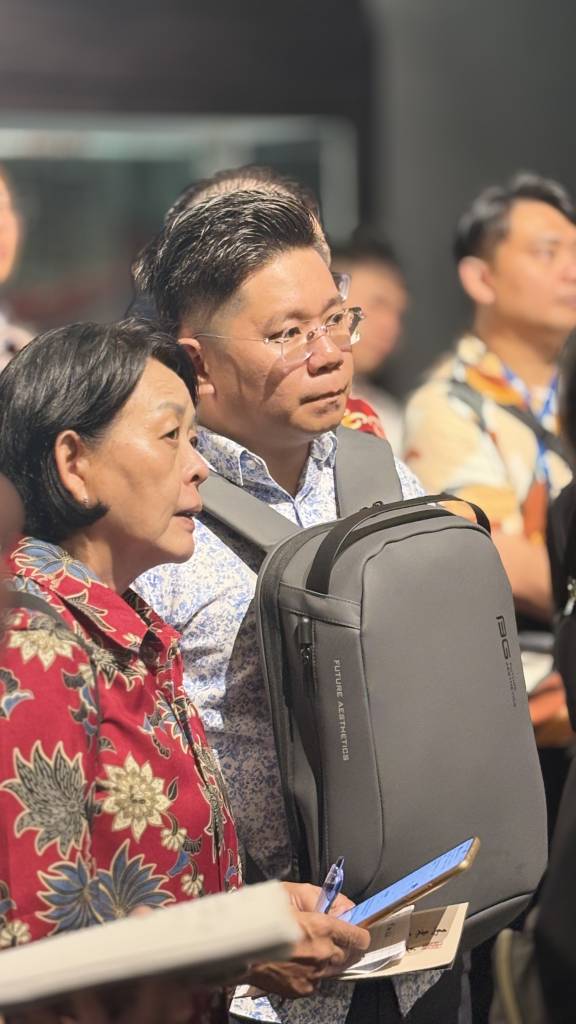
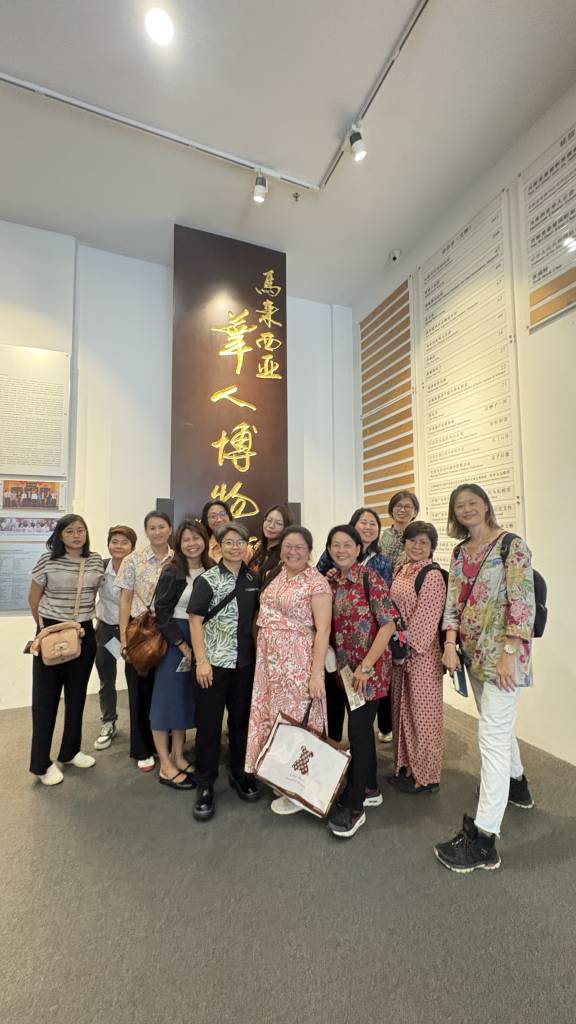
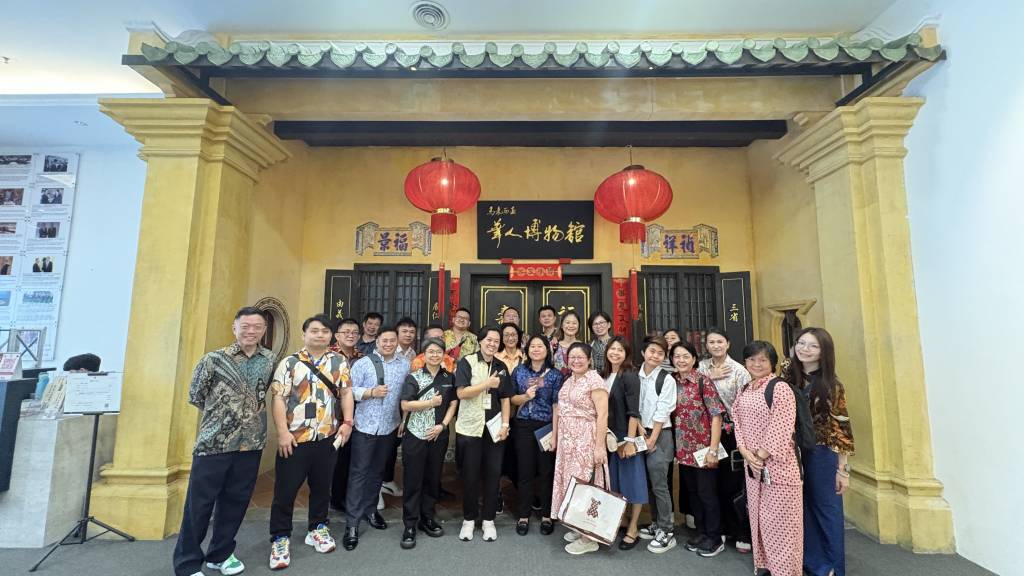
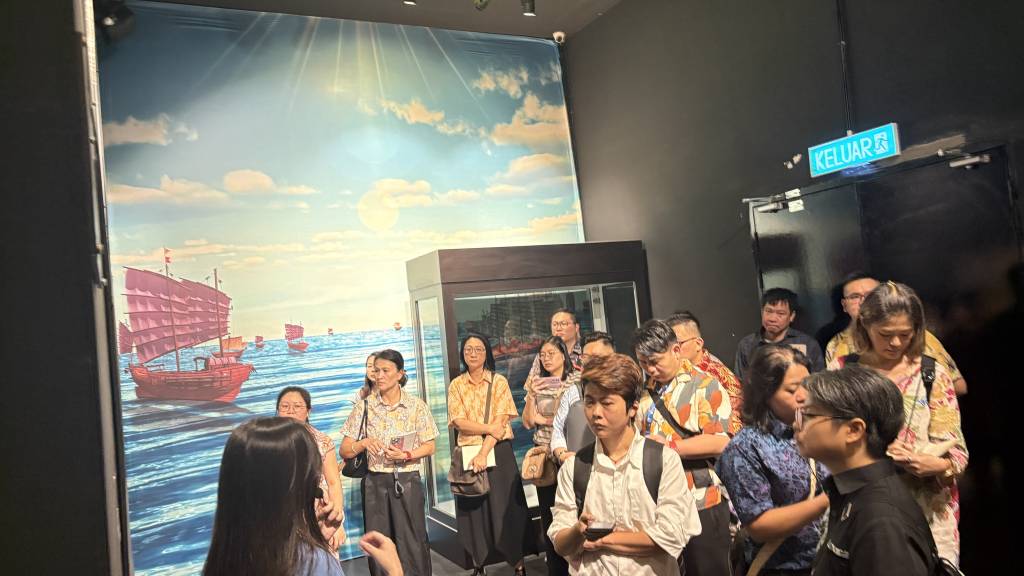
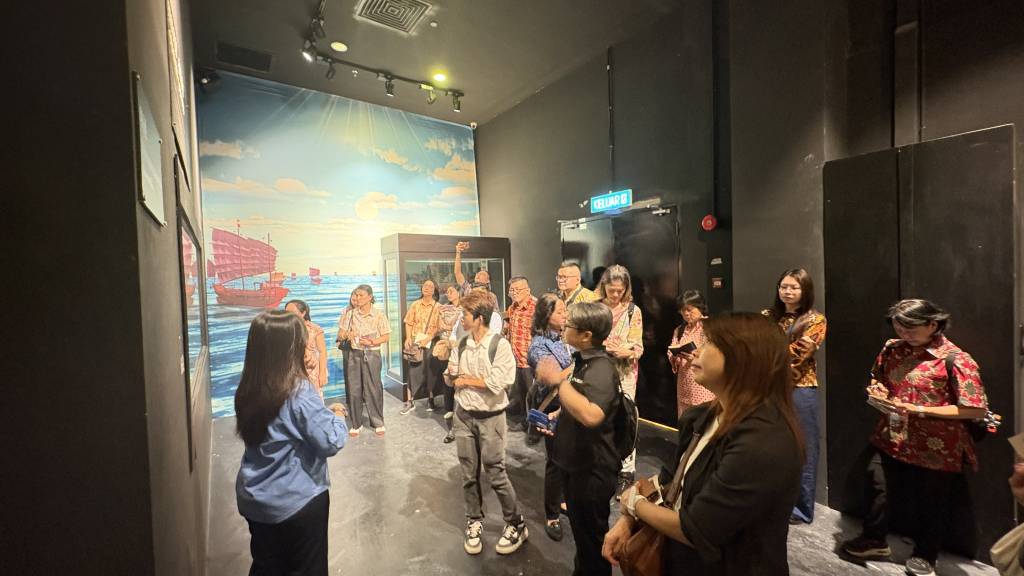
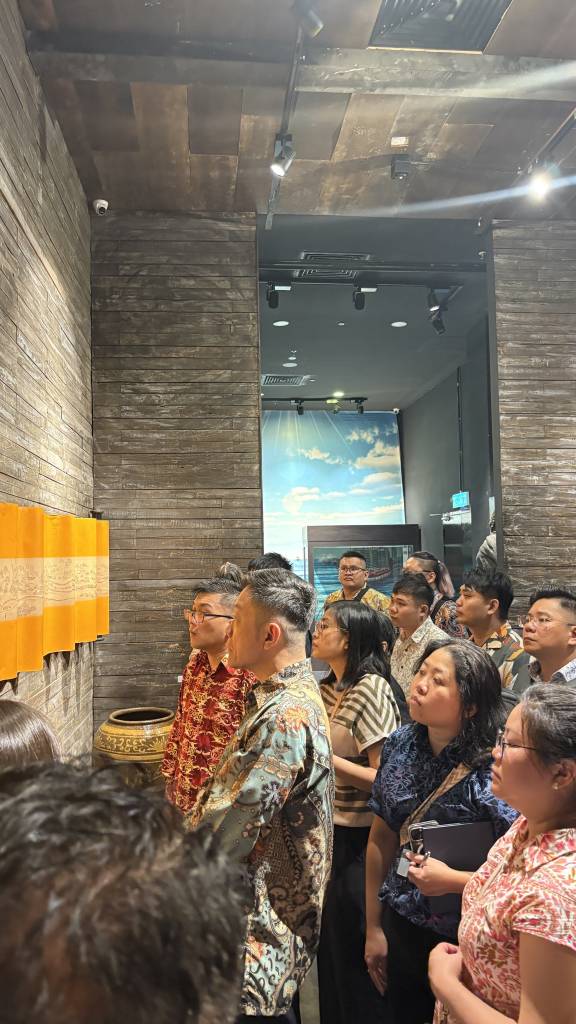
On 25 April 2026, GIT Academy Tourist Guide Course Batch 2/2026 visited the Malaysian Chinese Museum in Serdang, Selangor, led by trainer Dr Samantha Yap and guided through the exhibits by museum guide Ms Wen. Opened to the public in 2018, the museum traces the history and contributions of the Chinese community in Malaysia from early migration through to the present day — giving students a rich case study in interpreting a heritage site for visitors.
The visit moved through seven main exhibit stops:
Early Settlement and Migration
The museum traces Chinese presence in Southeast Asia back more than 2,000 years, with large-scale migration accelerating from the 15th century onward, closely tied to Admiral Zheng He’s Ming-dynasty maritime expeditions. A later wave of 19th- and 20th-century migration was driven by hardship following the Opium Wars, with many labourers arriving under the difficult conditions of the indentured “coolie” trade — history the museum presents directly through reconstructed coolie quarters and period artefacts, alongside the tradition of “qiaopi” (侨批), the remittance letters migrants sent home to their families.
Tin, Rubber and the Founding of Kuala Lumpur
Students learned how the tin-mining boom drew large numbers of Chinese migrants to Malaya, and about Yap Ah Loy, the third Kapitan China of Kuala Lumpur, who played a central role in rebuilding the town after fires and conflict in the 1800s. The exhibit also covers the Larut Wars between rival mining societies and the resulting 1874 Pangkor Treaty, a turning point that marked the start of formal British political intervention in the Malay states. A separate section traces the rise of the rubber industry through the story of entrepreneur and philanthropist Tan Kah Kee.
The Japanese Occupation and Wartime Sacrifice
The museum covers the Japanese invasion and occupation of Malaya (1941–1945), and highlights a lesser-known chapter: the roughly 3,000 overseas Chinese skilled workers who helped build the Burma–Yunnan wartime supply road under extremely difficult conditions, more than 1,000 of whom died during construction — a contribution the exhibit notes went largely unrecognised until around 2018.
Post-War Politics and Nation-Building
Later exhibits trace the social and political developments that followed: the origins of the Malayan Communist Party amid colonial-era labour conditions, the British “New Villages” resettlement policy (including the founding of Kampung Baru), and the 13 May 1969 incident and its aftermath. The museum also covers the role of the Chinese-language press, particularly Kwang Wah Yit Poh, in shaping community life and reflecting revolutionary ideas from China in the early 20th century.
Living Culture and Education
The final stops turn to living heritage — Hainanese kopitiam culture, Hokkien trade traditions, Taoist practices like Bai Tian Gong, lion dance on poles, mamak stall culture, and Peranakan (Baba-Nyonya) heritage — before closing with the story of Chinese-language education in Malaysia and its role in preserving language and identity across generations.
For trainee tourist guides, a site like this is valuable precisely because of its depth: presenting layered, sometimes difficult history clearly and respectfully to visitors is a core professional skill, and the Malaysian Chinese Museum gave GIT Academy students a real-world model for how to do it well.
Want to Experience This Yourself?
Join GIT Academy and take part in real practical training, not just classroom theory.



 Sign In